What is Kyphosis?
Viewed from the side, a normal upper back has a gentle outward curve. Kyphosis is when this curve becomes exaggerated, producing a rounded or hunched back. A sharp, angular hump over one or two vertebrae is called a gibbus.
Kyphosis is different from scoliosis, which is a sideways curve, although the two can occur together (kyphoscoliosis).
Mild kyphosis is common and usually painless. Larger or progressive curves cause pain, breathing difficulty in severe cases, and — when caused by infection or fracture — can compress the spinal cord.

Symptoms
Depending on the cause and severity, patients notice:
- A visible rounding of the upper back or a hump
- Difficulty standing fully upright; head carried forward
- Back pain and fatigue, especially after standing
- Stiffness of the spine
- Loss of height in older patients
- In severe cases: breathlessness, or weakness and numbness in the legs
Types & Causes
Postural kyphosis — the commonest, seen in teenagers who slouch; the curve is flexible and corrects on standing straight. Scheuermann’s kyphosis — a growth disturbance of the vertebrae in adolescence producing a rigid curve. Congenital kyphosis — malformed vertebrae present from birth, which can progress rapidly.
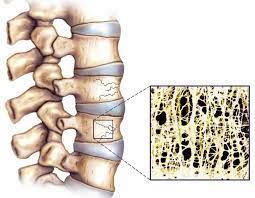
In adults the important causes are osteoporotic compression fractures (the classic “dowager’s hump”), spinal tuberculosis which destroys the front of the vertebrae, ankylosing spondylitis, trauma, tumours, and kyphosis developing above or below a previous fusion.
Treatment Options
Non-Surgical Treatment
Most kyphosis is managed without an operation:
- Postural kyphosis: extension and core-strengthening exercises, posture training
- Scheuermann’s disease in a growing child: a brace worn until growth is complete
- Osteoporotic kyphosis: bone-strengthening medication, calcium and vitamin D, fall prevention, and kyphoplasty for painful fresh fractures
- TB kyphosis: full anti-tubercular treatment (see Spine TB)
- Pain relief and physiotherapy for all types
When is Surgery Needed?
Surgical correction is reserved for:
- Large curves (typically over 70–75°) that keep progressing despite bracing
- Pain that does not respond to conservative care
- Any neurological deficit — weakness or numbness in the legs
- Congenital kyphosis, which rarely responds to bracing
- Sharp TB or post-traumatic deformity threatening the spinal cord
Surgery involves releasing or removing the wedged bone (osteotomy) and holding the spine straight with screws and rods until it fuses. These are major operations planned carefully with CT and MRI, and Dr Batra’s dedicated fellowship training in deformity surgery is directly relevant here.