Definition & Overview
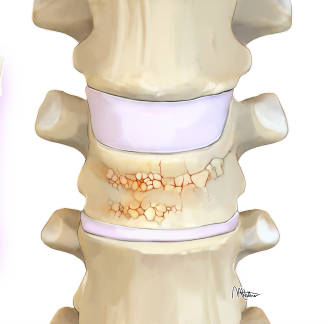
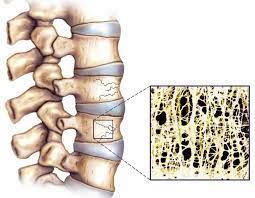
When osteoporosis has made your bones weak, the chances are higher that they’ll crack or break, even the bones of your spine. These spine fractures, also called vertebral compression fractures, can cause severe back pain that makes it hard to stand, walk, sit, or lift objects.
The best way to prevent these fractures is to keep your bones as strong as possible by treating or preventing osteoporosis.
Symptoms
Osteoporosis often has no symptoms. The first sign that you may have it is when you break a bone in a relatively minor fall or accident (known as a low-impact fracture). Fractures are most likely in the hip, spine, or wrist.
[Image of common osteoporosis fracture sites]Causes
Poor Diet
If your diet doesn’t include enough calcium or vitamin D, or if you're very underweight, you'll be at greater risk.
Lack of Exercise
Exercise encourages bone development. Lack of it means you're more at risk of losing calcium from the bones.
Treatment & Prevention
Diet and Nutrition
It is important for patients with osteoporosis to receive adequate calcium and vitamin D through a healthy, balanced diet.
[Image of calcium rich foods]- Dairy products (Milk, cheese, yogurt)
- Beans and chick peas
- Nuts, seeds, and dried fruits
- Leafy greens (Cabbage, kale, broccoli)
Adequate vitamin D intake is necessary for the body to absorb calcium. Because high levels of vitamin D are not found in many foods, supplements may be advised based on your needs.
Exercise
Regular exercise is important to help maintain bone density and provide overall muscle strengthening that can reduce the risk of falls. Weight-bearing exercise and muscle strengthening are especially important.
Recommended exercises include:
Walking
Yoga
Jogging
Stairs